You Don't Have to Know Everything to Become a Great Coach
Jul 06, 2026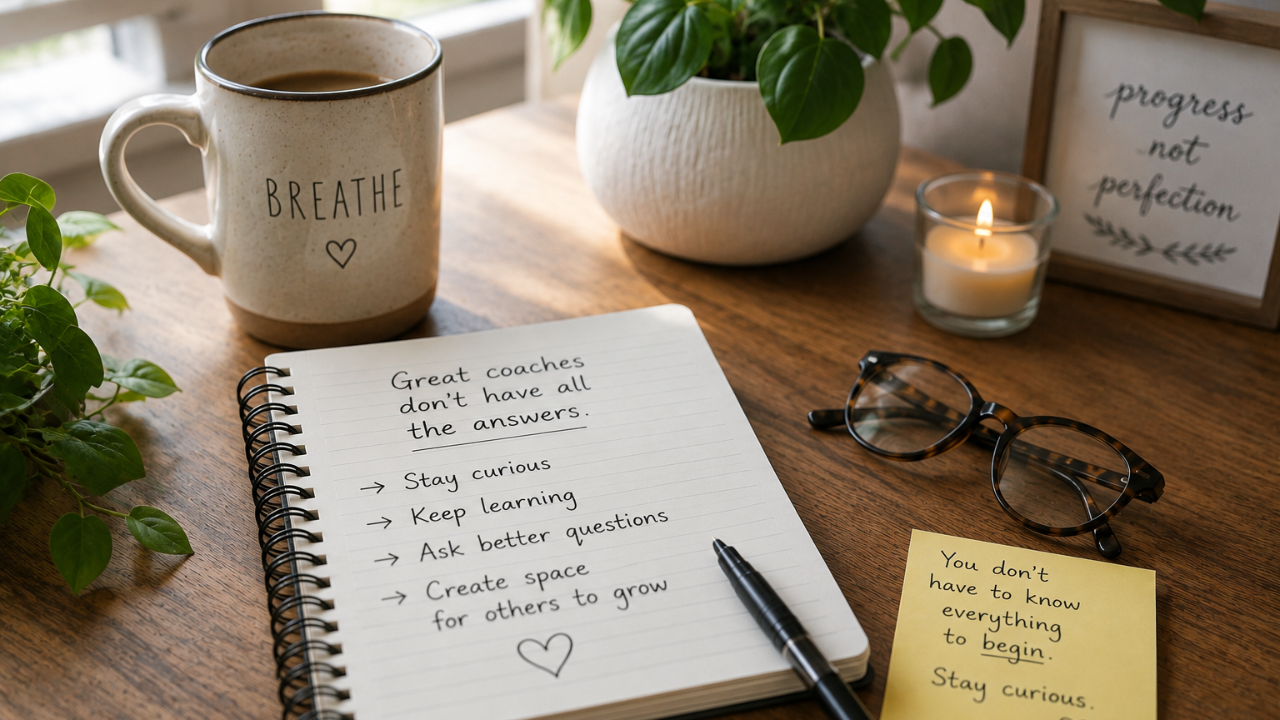
Have you ever felt called to coach, mentor, teach, lead, or support others, but wondered if you knew enough?
I certainly have.
When I first began learning about brain health, I wasn't thinking about becoming an instructor in Dr. Daniel Amen's Brain Health Coaching Certification program. I simply wanted to better understand people.
Why do some individuals thrive through adversity while others struggle? Why do people know what they should do but still have a hard time following through? How could I better support the leaders, healthcare professionals, and teams I was already serving?
I was fortunate to be one of the graduates of the earlier Brain Health Coaching Certification program. I enrolled because I wanted another way to help people—not because I planned to teach it someday.
The more I learned, the more I realized I wasn't expected to become a neuroscientist. I was learning how to translate brain science into practical conversations that help people create meaningful, lasting change.
Looking back, it's hard to believe that the program that once stretched and challenged me is now one I have the privilege of teaching. It's a reminder that we don't have to know everything before we begin—we simply have to have a desire and be willing to learn.
One of the biggest misconceptions I hear from people considering coaching is:
"I don't think I know enough."
I've found that the most effective coaches aren't the ones who have all the answers. They're the ones who stay curious, continue learning, ask thoughtful questions, and create a safe space for others to grow.
That's also why I value cohort-based learning. Some of my greatest growth happened because I wasn't learning alone. Coaches and mentors challenged me, encouraged me, and believed in me before I fully believed in myself. Their support shaped not only what I know, but how I serve others today.
Over the years, I've noticed something else.
Many coaching, leadership, and professional development conversations focus only on mindset, strategy, habits, communication, and productivity. Those are all important. But they often overlook one of the biggest influences on all of them—the brain.
Every thought, decision, emotion, and habit begins there. When we better understand the brain, we gain another perspective that helps us support people with greater compassion and support.
Learning about the brain and its unique patterns made me a better coach.
Instead of asking, "Why aren't my clients following through?" I began asking, "What might be making this hard for them?"
That simple shift changed my whole approach.
Instead of focusing only on goals, I became more curious about what might be getting in the way.
Is stress taking a toll?
Is poor sleep affecting focus?
Could nutrition, movement, hormones be influencing how someone shows up each day?
That additional lens has allowed me to provide clients with deeper support. Not because I diagnose or treat medical conditions—that's not the role of a brain health coach—but because I can help people better understand the many factors that influence how they think, feel, and perform.
Whether you're already a coach, a healthcare professional, an educator, a consultant, a leader, or someone who naturally mentors others, brain health coaching can strengthen the work you're already doing.
I've seen graduates weave brain health coaching into consulting, leadership development, healthcare, education, ministry, human resources, wellness, speaking, and employee well-being initiatives.
Others have built thriving coaching practices. That's one of the things I appreciate most about the program. It doesn't ask you to become someone different. It equips you with another perspective and practical tools to better serve the people who already look to you for guidance.
If you've been thinking about expanding your knowledge or incorporating brain health into your work, I'd encourage you to explore it. You don't have to have all the answers before you begin. You simply have to be willing to learn.
Our next Brain Health Coaching Certification cohort begins July 20th, and I'm honored to be part of the instructional team. In celebration of Dr. Daniel Amen's birthday, there's currently a 25% savings available. Simply use code JULY25 and use my link to save 25% on any course at Amen University.
If you've been curious about the program—or simply want to learn whether it's the right fit for you—I'd be happy to answer your questions and share my experience.
You don't have to know everything to begin.
You simply have to be willing to learn, stay curious, and let great mentors shape your journey.
One day, you may have the opportunity to do the same for someone else.
_______________________________
Barbara Gustavson is a speaker, brain health advocate, and leadership facilitator and guides professionals to lead with clarity, purpose, and resilience. As founder of Discover Next Step and Head Facilitator for Dr. Daniel Amen’s brain health certification programs, she blends neuroscience, personal growth, and leadership strategies to create lasting impact. Barbara is the author of Permission to be BOLD, co-author of Breaking Average, and is currently pursuing her Master’s in Psychology. Her talks are both practical and personal, offering simple yet powerful tools to help audiences handle stress differently and lead without burning out.